
Choosing between a mobile skin and a phone case is one of the most common questions smartphone owners ask. Both cover your phone, but they do very different jobs. This guide explains the differences clearly so you can choose the right one for how you use your phone.
What Is a Mobile Skin?
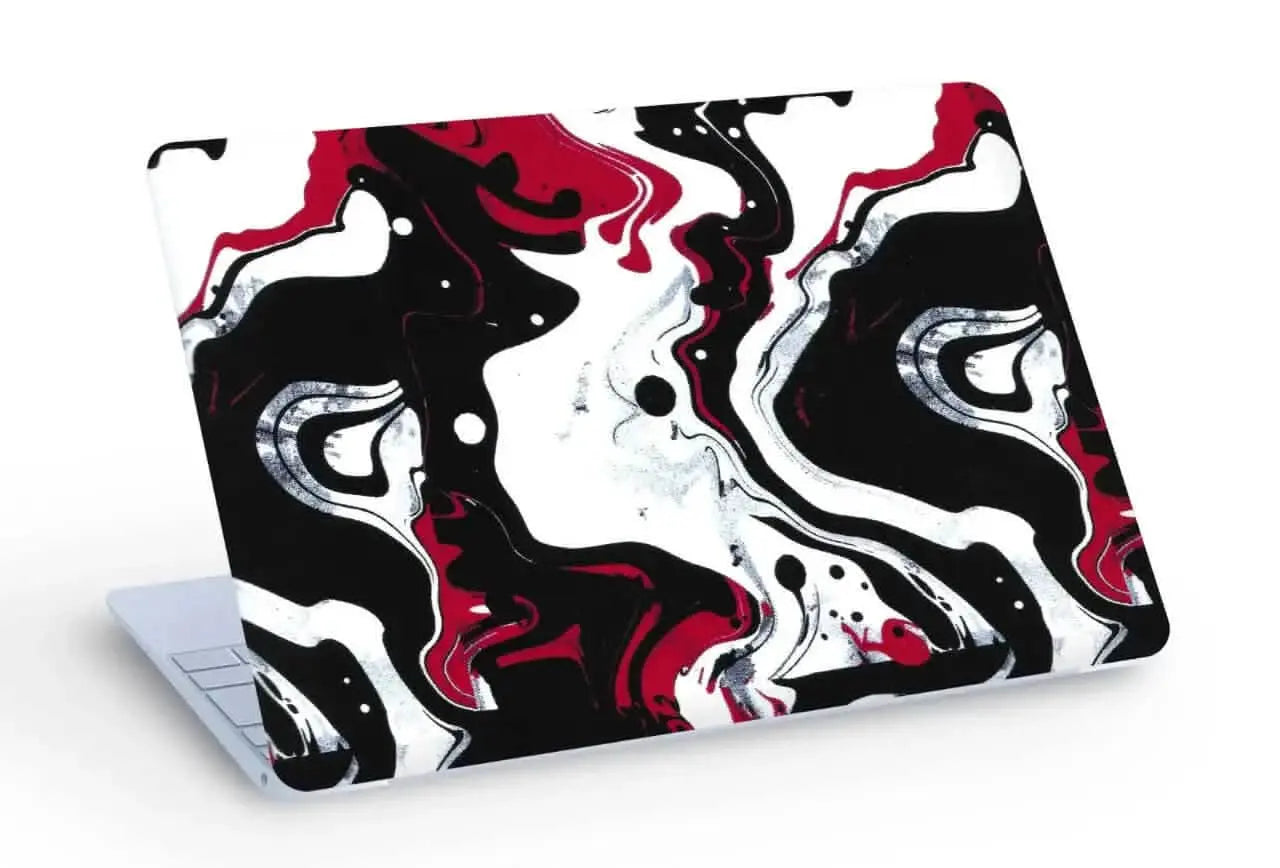
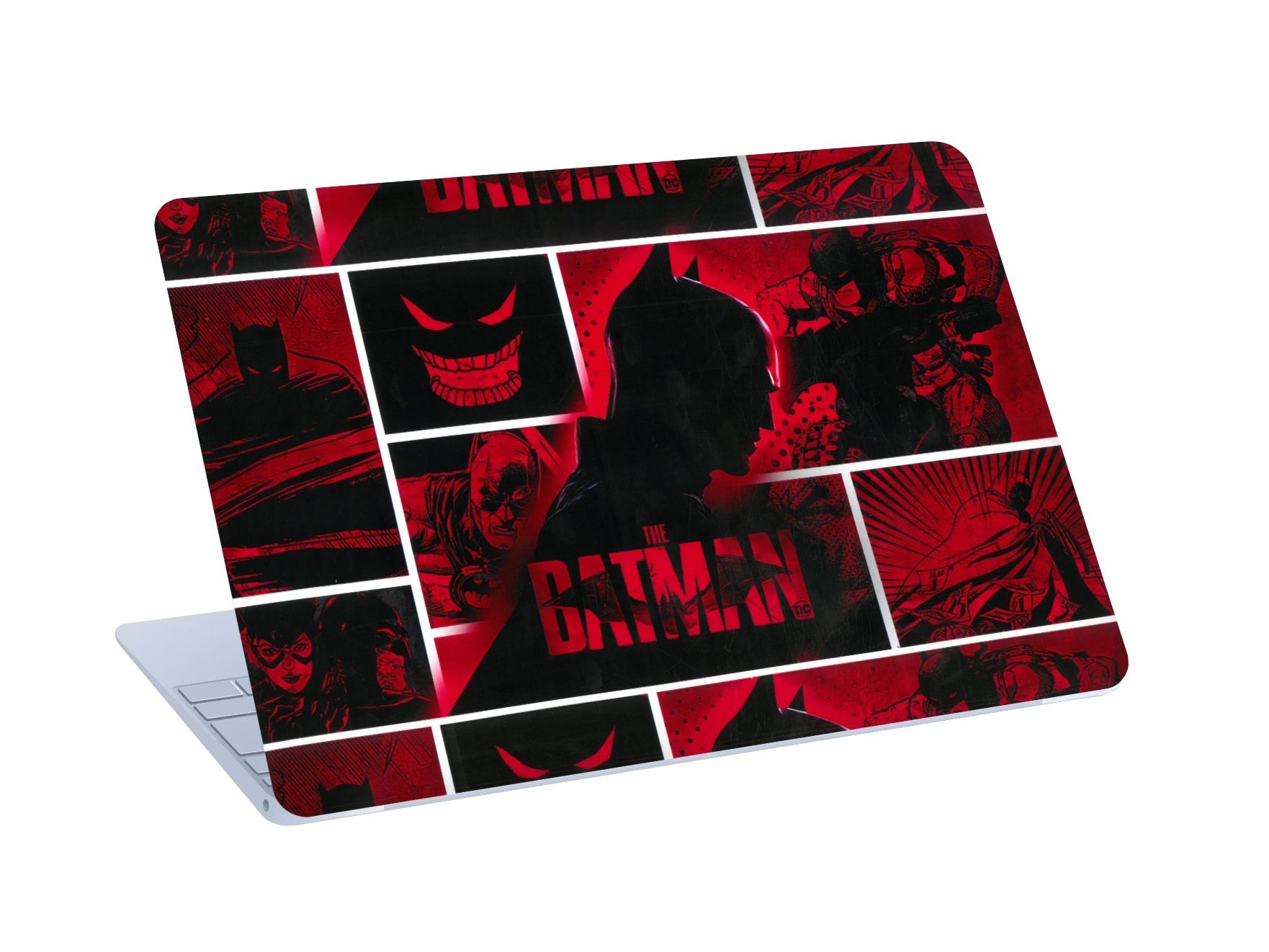
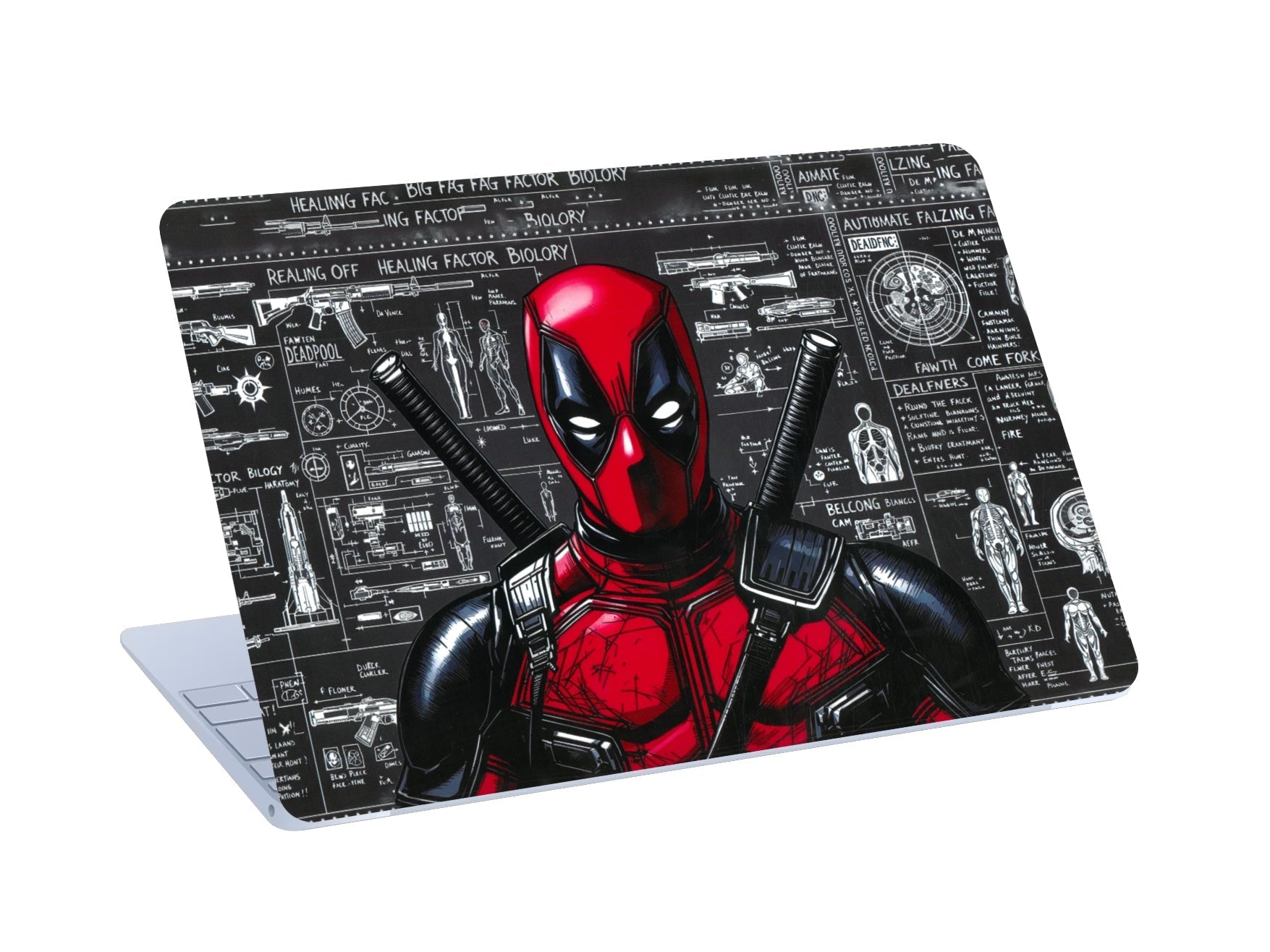
A mobile skin is a thin vinyl layer applied directly to the back, and optionally the sides, of your phone. It's cut for your exact model, including the camera, and covers the phone edge to edge with a design. It keeps the phone's original slim shape and feel.
Benefits of phone skins
- Keeps the phone's original slim profile.
- Offers a wide variety of designs, including anime, cricket, devotional and 3D textured options.
- Covers the back against everyday scratches and scuffs.
- Works with wireless charging, including MagSafe on iPhone.
- 3D textured skins add grip without adding bulk.
- Peels off without residue when you want a change.
Limitations of phone skins
- Doesn't protect against drops or heavy impact.
- Edges can show wear over time with rough use.
- Needs careful application for a clean finish.
What Is a Phone Case?
A phone case is a separate shell that your phone clips into. Cases are thicker and add drop protection, but they also add weight and bulk, and change how the phone feels in your hand.
Phone Skin vs Phone Case: Key Differences
| Feature | Phone skin | Phone case |
|---|---|---|
| Drop protection | Low | High |
| Scratch coverage | Good | Good |
| Bulk added | Very low | Moderate to high |
| Design choice | High | Moderate |
| Feel in hand | Close to the original phone | Varies by material |
| Wireless charging | Works normally | Depends on thickness |
| Best for | Careful everyday users | Rough environments |
Why Many Users Prefer Phone Skins
Phones are getting slimmer and more design-focused, and a thick case undoes that. A skin keeps the phone's original shape and lets you choose exactly how it looks. That's why skins are especially popular among people who want personalisation without giving up comfort or pocketability.
When Should You Choose a Phone Skin?
Choose a skin if you value a clean look, a light feel and design choice, and you generally handle your phone carefully. Choose a case if you often drop your phone or work in rough environments.
Skins are available for every major brand, including iPhone, Samsung, OnePlus, Redmi, Vivo, Google Pixel and Nothing.
Can You Use a Skin and a Case Together?
Yes. Many people use a skin as a base layer for design and scratch coverage, then add a slim case when they need extra protection, such as when travelling. A Back skin works best with a case; a tight case may lift the edges of a Back + Sides skin.
Popular Phone Skin Designs
Popular choices include Gojo Satoru, Virat God's Plan, Lord Hanuman 3D, the Marlboro Red skin and the 3D textured Black Topography.
Frequently Asked Questions
Is a phone skin better than a case?
It depends on what you need. A skin is better for looks and slimness; a case is better for drop protection.
Do phone skins protect against drops?
No. They cover against scratches and scuffs, not impact.
Can I use a case over a skin?
Usually yes, with Back coverage.
How much does a phone skin cost?
Cladure phone skins start from ₹222, with free shipping across India.
Conclusion
The right choice depends on how you use your phone. If you want style, slimness and everyday scratch coverage, a phone skin is the better fit. If you need maximum drop protection, choose a case, or combine both.
Want the honest answer on protection? Read Do Phone Skins Protect Your Phone?

Leave a comment
All comments are moderated before being published.
This site is protected by hCaptcha and the hCaptcha Privacy Policy and Terms of Service apply.